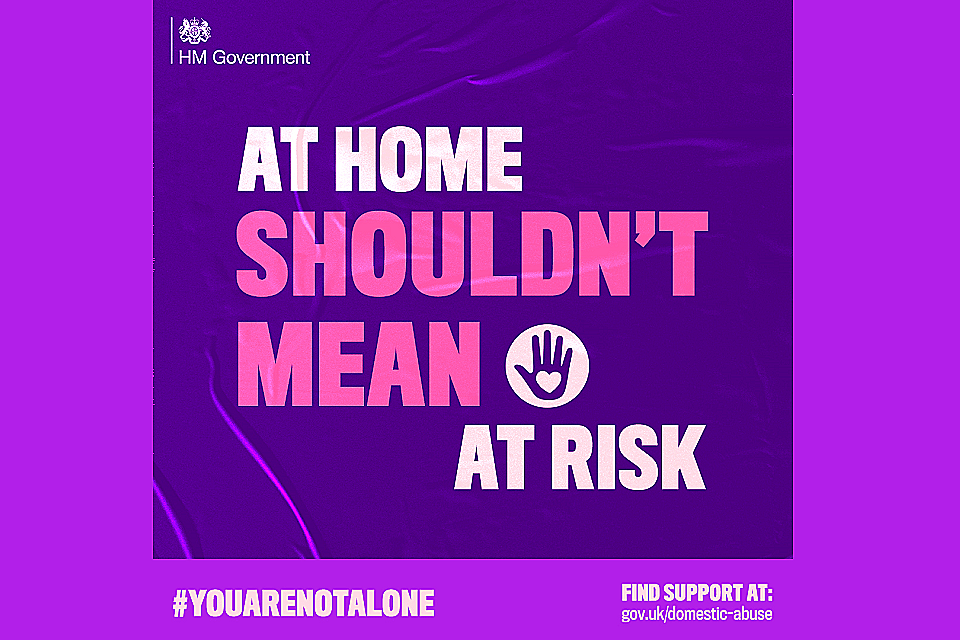
Following a lockdown in the UK beginning on the 23rd of March 2020, Calls to domestic abuse helplines have increased by 49%, In addition to this researchers at Counting Dead Women Project recorded 14 women and 2 children being killed during the first 3 weeks of Lockdown, This is the largest number recorded in that period of time for 11 years. In addition to female helplines, Male advice lines recorded a 35% increase in calls also.
As restrictions are eased many fear victims of abuse may face more danger as they attempt to leave their homes, If they are able to, they may face difficulty finding places to stay as 64% of requests for refuge were denied between 2018-2019. This is a worrying statistic as victims with nowhere to go could face limited options for shelter, which is even more worrying according to statistics from United Nations Population Fund, who stated that if lockdown lasted 6 months there would be an additional 31 million cases of Domestic violence globally.
What is Domestic Abuse?
Women’s Aid defines domestic abuse as;
- Coercive Control (A pattern of intimidation, degradation, isolation and control with the threat of physical or sexual violence)
- Psychological and/or emotional abuse
- Physical or Sexual Abuse
- Financial or Economic Abuse
- Harassment or stalking
- Online or Digital abuse
Information from Women Aid regarding Femicide:
Key findings on the 139 women killed by men in England, Wales and Northern Ireland in 2017 are:
- The majority of women killed by men in 2017 were between the ages of 26 and 55 years old (82 women, 59% of the total). However 20 women (14%) were aged 66 or over. Five of these older women were killed by their partner or spouse.
- 64 women (46%) were killed by their current or former partner; for women killed by men other than by terrorism, the percentage killed by their current or ex-partner rose to 54.2%.
- 12 (55%) of women killed by their ex-partner or ex-spouse were killed within the first month of separation and 19 (87%) in the first year.
- 32% of women were killed at the home they shared with the perpetrator, in the majority of cases their partner or spouse. 26.6% were killed in a home where they lived independent of the perpetrator.
- 24 women (17.3%) were killed by a man known to them (such as a social or business acquaintance, friend or neighbour).
- 30 women (21.6%) were killed by a stranger, including 21 women killed in terror attacks.
- In 66 (47.4%) cases men used a sharp instrument to kill their victims.
- ‘Overkilling’ – where the force and/or methods that a man used was greater than that required to kill the woman – was evident in 58 (41.7%) cases. Cases include women being repeatedly bludgeoned with an axe or other object or stabbed multiple times. There was also evidence of mutilation and desecration of bodies after killing in some cases.
In order to prevent adding and worsening these statistics, if you know someone who is at risk of Domestic abuse or is experiencing domestic violence, encourage them to contact many of the Domestic abuse helplines and charities.
 Our Social Climate